

Cancer Research Training and Education Coordination
The WVU Cancer Institute is committed to patients and health solutions today and in the future. That is why education remains a centerpiece of the work we do.
At the West Virginia University Cancer Institute, the Cancer Research Training and Education Coordination (CRTEC) office serves as the hub for cancer-focused education, training, and career development — connecting learners at every stage of their journey to the resources, mentorship, and opportunities they need
From inspiring Appalachian K–12 students to envision careers in cancer research, to supporting postdoctoral trainees and early-stage investigators in advancing scientific discovery, CRTEC is committed to building a skilled, diverse, and mission-driven cancer workforce across West Virginia and beyond.
Our Mission
CRTEC coordinates and provides essential cancer-focused education, training, and career enhancement for a broad spectrum of learners — including K–12 and undergraduate students, graduate and postdoctoral trainees, clinical residents and fellows, and faculty and staff across WVU.
Working in close partnership with the Office of Community Outreach and Engagement (COE) and each WVU Cancer Institute research program, CRTEC cultivates an environment of lifelong learning throughout our catchment area, with a particular commitment to reaching rural populations across Appalachia.
What We Do
Our goal is to build and sustain an interdisciplinary cancer education and training infrastructure that prepares a highly skilled cancer research and care workforce — one equipped to advance scientific discovery, excel across oncology-focused career pathways, and partner with communities to reduce the burden of cancer in West Virginia and beyond.
CRTEC integrates and coordinates training and education programs across the WVU Cancer Institute, tracking outcomes and driving continuous improvement in mentoring and career development at every level.
Our Vision
At CRTEC, we envision a West Virginia where every learner — from an Appalachian middle schooler becoming excited by science for the first time to an early-stage investigator launching their research career — has the support, mentorship, and opportunity to contribute to the fight against cancer.
We are building a coordinated, inclusive cancer education and training ecosystem — one that sparks curiosity and opens pathways for K–12 and first-generation college students from the communities we serve; that provides graduate students, postdoctoral trainees, and seasoned cancer researchers with the infrastructure, mentorship, and career development tools they need to thrive; and that cultivates a culture of rigorous research, peer collaboration, and high-impact scientific communication aimed at reducing the cancer burden in West Virginia and beyond.
As CRTEC grows, so will our programs, partnerships, and reach — guided always by our commitment to building a skilled, diverse, and mission-driven cancer workforce for our state and our nation.
Who We Serve
CRTEC supports learners and professionals at every career stage:
- K–12 and Undergraduate Students — Early exposure programs and pipeline initiatives
- Graduate Students and Postdoctoral Trainees — Research training, mentorship, and career development
- Medical, Nursing, and Clinical Trainees — Oncology-focused education and clinical training pathways
- Researchers, Faculty and Staff — Professional development and career enhancement resources
- Community Partners — Outreach and education across the WVU Cancer Institute catchment area
Part of Something Larger
CRTEC is an integral component of the WVU Cancer Institute. Our training and education mission is woven into the fabric of the Institute’s commitment to reducing cancer disparities and improving outcomes for all West Virginians.
Professional Education and Training
Undergraduate Programs
WVU Cancer Institute invites ambitious undergraduates to immerse themselves in full-time hands-on biomedical research each summer. Learn more.
Graduate Programs
The graduate program in cancer cell biology offers interdisciplinary biomedical research training leading to PhD and MD/PhD degrees. Learn more.
Radiation Oncology Residency
A four-year residency focused on developing skills as both comprehensive oncologists and radiotherapy physicians. Learn more.
Hematology/Oncology Fellowship
A three-year training program leading to eligibility for board certification in hematology and medical oncology. Learn more.
Oncology Physical Therapy Residency
A 12-month residency geared toward demonstrating oncologic competency. Learn more.
Tumor Microenvironment CoBRE
Fosters a rigorous, collaborative research environment — supporting junior and established faculty through mentorship, shared core resources, and multidisciplinary partnerships with the West Virginia Clinical Translation Science Institute and the WVU Cancer Institute to advance innovative tumor microenvironment research. Learn more.
Conferences and Programs
Institutional Development Award (IDeA) State Trainee Research Conference
The first cancer-focused conference for IDeA state trainees, supported by a National Cancer Institute R13 conference grant, the WVU Cancer Institute’s annual symposium brings together faculty and graduate students from peer IDeA states to exchange ideas across a broad range of disciplines — including biomedical and clinical science, population and behavioral health, data science, engineering, and community-engaged research.
Emerging Cancer Scholars Speaker Exchange Program
This program gives emerging cancer scholars, typically within five years of their appointment as assistant professor, an opportunity to present, network, and build collaborations at NCI-designated cancer centers across the country. The program allows emerging faculty to form relationships with researchers, sponsors, and potential mentors, while refining their presentation skills and establishing national recognition in an academic setting.
Oncology Grand Rounds
WVU Cancer Institute Oncology Grand Rounds brings together medical students, faculty, educators, staff, and researchers for multidisciplinary updates spanning medical, surgical, and radiation oncology alongside the latest in translational research. Sessions are held both in person at the Fukushima Auditorium (Room 1901) in Health Sciences Center North and virtually via Zoom, ensuring broad access to cutting-edge clinical insights and specialist presentations.
Research Program Seminars
The WVU Cancer Institute hosts a robust calendar of research seminars, proposal defenses, and special lectures at the Health Sciences Center North and the Erma Byrd Biomedical Research Building in Morgantown. Programming spans cancer cell biology graduate student defenses, biochemistry seminars, visiting scholar presentations, and named lectureships — all centered on advancing knowledge in cancer biology, experimental therapeutics, and cancer control population science. Periodic symposia, including state-wide cancer research gatherings and summer trainee showcases, round out a schedule coordinated through both the WVU Health Sciences Center and WVU Cancer Institute event calendars.
Fall Cancer Conference
The WVU Cancer Institute Fall Cancer Conference is an annual continuing education event that brings together regional physicians, nurses, pharmacists, and researchers to explore the latest advances in oncology treatment, cancer survivorship, and clinical innovation. Now in its fourth decade, the conference has grown into a premier multidisciplinary gathering — drawing nearly 300 professionals and dozens of vendors — with themes ranging from personalized medicine and immunotherapy to precision oncology and next-generation cancer care. Dedicated continuing education credits, cutting-edge clinical updates, and a consistent focus on bridging laboratory discovery with real-world practice make it an essential event for healthcare professionals working to address cancer disparities across West Virginia and the broader region.
Biennial Breast Cancer Conference
The WVU Cancer Institute Breast Cancer Conference has grown from its inaugural gathering in July 2015 into a premier biennial event for regional healthcare providers — bringing together physicians, nurses, physical therapists, and researchers to explore the latest advances in breast cancer treatment, research, and survivorship. Now in its second decade, the conference has navigated an evolution from annual to biennial programming and consistently delivers cutting-edge clinical content — from personalized treatment approaches and surgical management to emerging topics like ctDNA testing, radiation de-escalation, and GLP-1 receptor agonist applications — reflecting the rapid pace of progress in breast oncology care.
Leadership
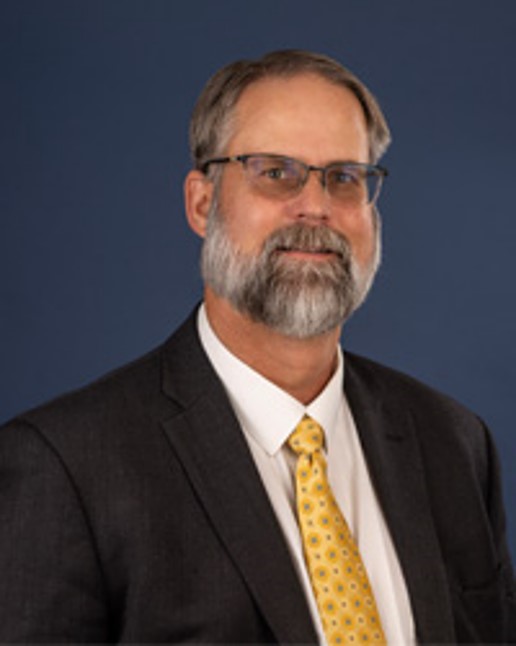
Reagan Curtis, PhD
Kathy Servian, MA, LPC, ALPS, ICGC-II