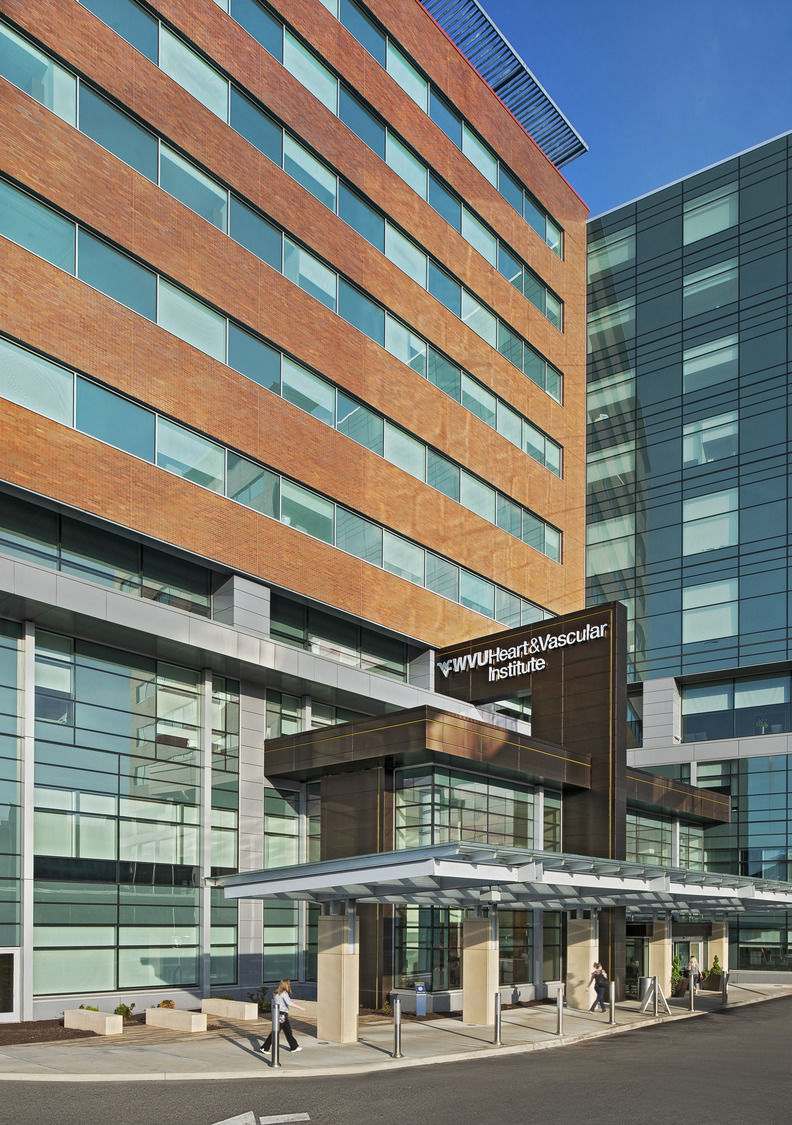
Cardiac Surgery
As one of the nation’s leading centers for advanced robotic valve and bypass surgeries, we prioritize patient care – delivering exceptional experiences and outstanding outcomes.
Cardiac Surgery for Complex Heart Conditions
When heart disease requires surgery, understanding your treatment options can be just as important as understanding your diagnosis.
The WVU Heart and Vascular Institute provides comprehensive cardiac surgery for complex heart conditions, including heart valve disease, coronary artery disease, aortic disease, and heart failure.
Our cardiac surgeons work closely with cardiologists and other specialists to determine whether surgery is the right treatment and which approach best fits your condition, anatomy, overall health and goals.
Treatment may include traditional open-heart surgery, minimally invasive heart surgery, or advanced robotic cardiac surgery. Our goal is to identify the approach that provides the best balance of safety, effectiveness, and recovery for each patient.
Procedures and Conditions We Treat
Our cardiac surgeons provide surgical treatment for a wide range of complex heart conditions, including:
- Adult congenital heart repairs
- Advanced robotic valve repair and replacement
- Aortic valve repair and replacement
- Complex aortic aneurysm repair
- Complex valvular reconstruction, including bileaflet mitral and tricuspid valve repairs
- Coronary artery bypass grafting (CABG)
- Heart transplantation
- Hybrid arch reconstruction
- Mechanical circulatory support, including ECMO and LVADs
- Minimally invasive CABG
- Mitral and tricuspid valve repair and replacement
- Robotic aortic valve replacement (RAVR)
- Robotic biatrial Cox-Maze procedures
- Robotic CABG
- Surgical myectomy for hypertrophic cardiomyopathy, including robotic techniques
- Surgical treatment of atrial fibrillation
Choosing the Right Surgical Approach
Not every heart condition requires the same surgical approach. Depending on your diagnosis, anatomy and overall health, your cardiac surgeon may recommend traditional open-heart surgery, minimally invasive heart surgery or robotic-assisted cardiac surgery.
Traditional Open-Heart Surgery
Some complex heart conditions are best treated through traditional surgery, which may involve opening the chest through the breastbone. This approach provides broad access to the heart and remains an important option for many patients.
Minimally Invasive Heart Surgery
For appropriately selected patients, some procedures can be performed through smaller incisions rather than traditional sternotomy. Depending on the procedure, minimally invasive surgery may offer benefits such as less pain, a shorter hospital stay and a faster return to normal activities.
Robotic Cardiac Surgery
Robotic-assisted surgery is a form of minimally invasive heart surgery that uses advanced technology to allow surgeons to perform certain procedures through small openings between the ribs.
At WVU Heart and Vascular Institute, robotic techniques are used for selected valve procedures and other complex cardiac operations, including robotic aortic valve replacement (RAVR).
Robotic surgery is not appropriate for every patient. Your surgical team will consider your diagnosis, anatomy, previous procedures, overall health, and the complexity of the operation when determining which approach is safest and most effective.
Robotic Cardiac Surgery
For appropriately selected patients, robotic cardiac surgery may provide an alternative to traditional open-heart surgery.
The robotic surgical system provides a magnified view of the surgical field and highly maneuverable instruments, allowing surgeons to perform precise work through small access points. Potential benefits may include:
- An earlier return to normal activities
- Faster recovery
- Less pain
- Less surgical trauma
- Shorter hospital stays
- Smaller incisions
Patient selection remains critical. Our surgeons evaluate each patient’s diagnosis, anatomy, medical history, and overall health to determine whether robotic surgery is appropriate.
Advanced Robotic Expertise
The WVU Heart and Vascular Institute’s Robotic Cardiac Surgery Program has developed and advanced robotic approaches for complex heart disease, including robotic aortic valve replacement (RAVR), robotic mitral and tricuspid valve procedures, robotic surgical treatment of atrial fibrillation, including biatrial Cox-Maze procedures, robotic techniques for hypertrophic cardiomyopathy surgery and combined procedures.
The program also serves as a training and educational center for cardiac surgery teams seeking to develop advanced robotic programs. HVI’s robotic cardiac surgery program is recognized as a world leader by the Society of Thoracic Surgeons and the American Association for Thoracic Surgery.
Watch “Robotic Cardiac Surgery Overview” with Vinay Badhwar, MD, to learn about the use of robotics in cardiac surgery.
Faculty
See All Faculty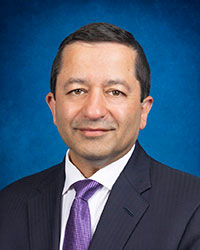
Vinay Badhwar, MD
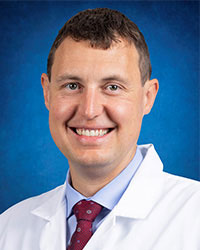
James Mehaffey, MD